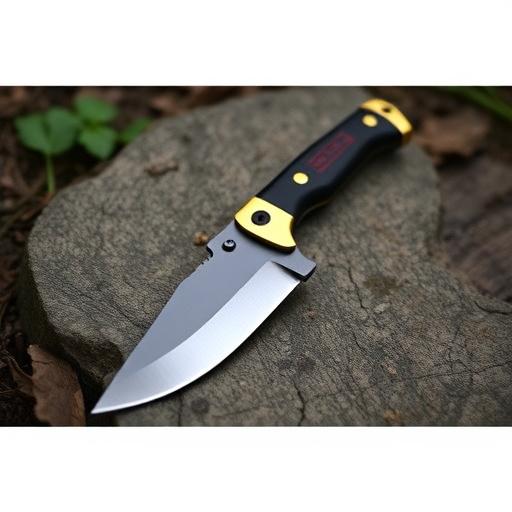
Selecting a fixed blade self-defense knife requires balancing durability, grip, and design for effective control and safety. Key features include high-quality steel, secure grip, sharp point, and convenient sheaths or clips. Training unique techniques like leveraging the full length of the knife, using 'slashing' motions, and mastering grip positions is vital to build confidence and skills in this distinct approach compared to folding knives. Always research local laws, comply with regulations, practice responsible handling, and only use for true self-defense to minimize risks.
A fixed blade self-defense knife is more than just a tool; it’s a reliable companion for personal safety. In today’s world, knowing how to choose and master the art of using one can make all the difference. This comprehensive guide delves into the essential aspects of selecting the right fixed blade, effective self-defense techniques, and legal considerations to ensure your safety without crossing boundaries. Learn to navigate this powerful tool with confidence.
Choosing the Right Fixed Blade Self Defense Knife
When selecting a fixed blade self-defense knife, consider your specific needs and preferences. These knives offer exceptional versatility for various tasks, from cutting through tough materials to providing reliable self-defense. Look for features like a sturdy build quality with high-quality steel to ensure durability and ease of maintenance. The handle design should allow for a secure grip, enabling precise control during critical situations.
Choose a balanced knife with a sharp point for effective thrusting and slicing motions. Additional elements like a sheath or a belt clip can enhance convenience and accessibility. Opt for a weight distribution that feels comfortable in your hand, ensuring you can handle it with ease and confidence. Always prioritize safety features to minimize risks during use.
Effective Techniques for Self-Defense with a Fixed Blade
When it comes to fixed blade self-defense knives, understanding effective techniques is paramount. Unlike folding knives, their unyielding nature demands a different approach to ensure safety and control. One of the key strategies is to leverage the knife’s full length, allowing for powerful swings and precise cuts. The back and forth motion, often referred to as the ‘slashing’ technique, can be devastating when aimed at vital areas like the opponent’s extremities or torso. This method maximizes the knife’s reach and minimizes the risk of slipping, a common concern with shorter blades.
Additionally, training in various grip positions is essential. Different grips offer advantages based on the situation. For instance, a pinch grip provides fine motor control for detailed work, while a modified thumb grip enhances stability during strong strikes. Practicing these techniques not only improves your knife skills but also instills confidence, crucial for effective self-defense.
Legal and Safety Considerations for Carrying a Fixed Blade Self Defense Knife
When considering carrying a fixed blade self-defense knife, it’s crucial to familiarize yourself with legal and safety guidelines specific to your region. Laws regarding concealed carry permits vary widely, so ensure you understand your local regulations before purchasing or carrying any kind of weapon. Some areas may require specific licenses or have restrictions on the type, size, or length of blade allowed. Additionally, public places like schools, government buildings, or airports often have additional rules prohibiting weapons, even for legal carriers.
Safety is paramount when wielding a fixed blade self-defense knife. Always practice responsible handling and storage to avoid accidental injuries. Keep your knife sharp and well-maintained but also consider implementing measures to prevent unexpected deployment, such as using sheaths designed for safe carrying. Regularly review safety protocols and be mindful of your surroundings, ensuring you only use your knife when absolutely necessary in self-defense scenarios.